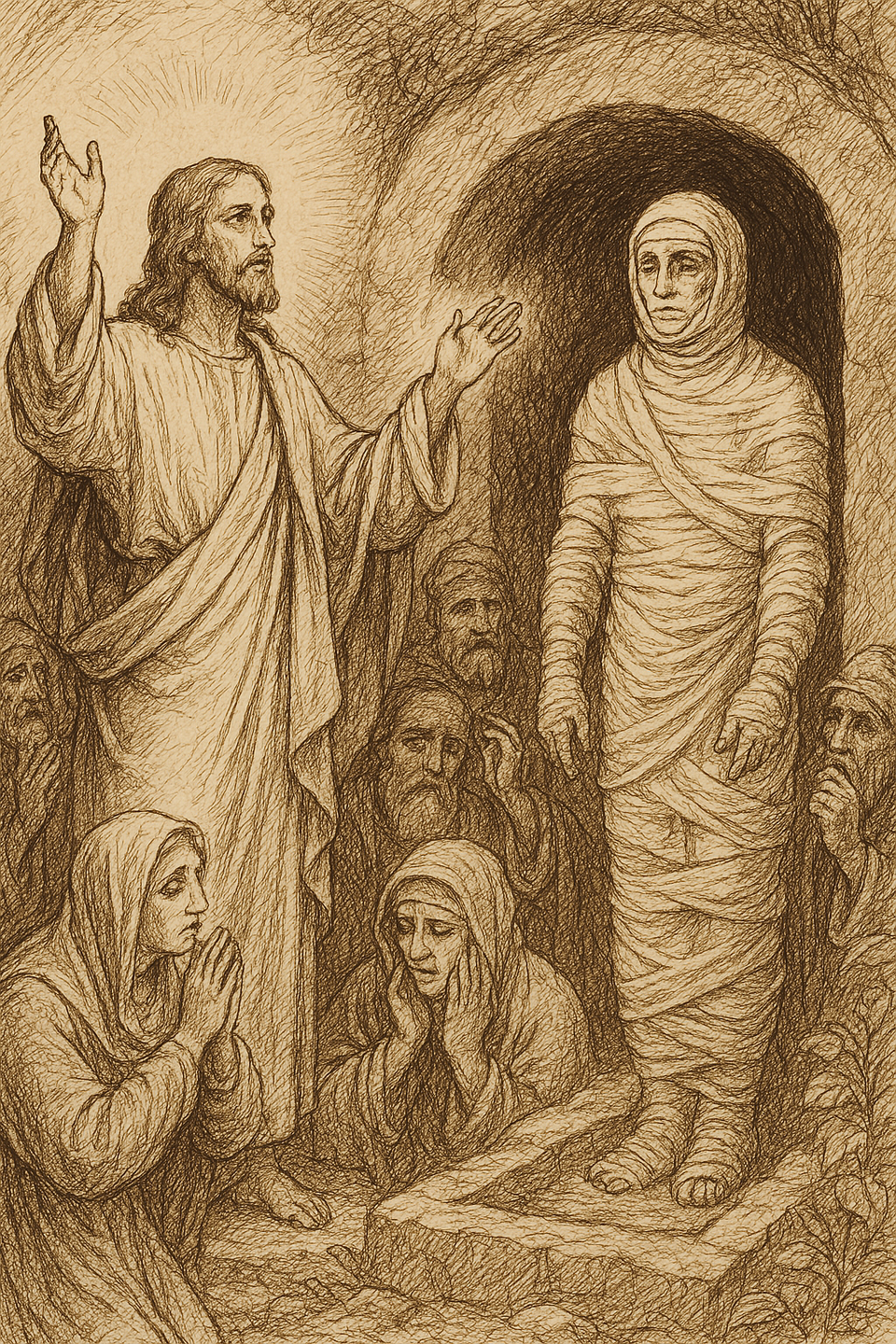
The idea of conspicuous omission is simple but powerful: if a Gospel writer knew about a miracle, they almost certainly would have written it down. The fact that many miracle stories don’t
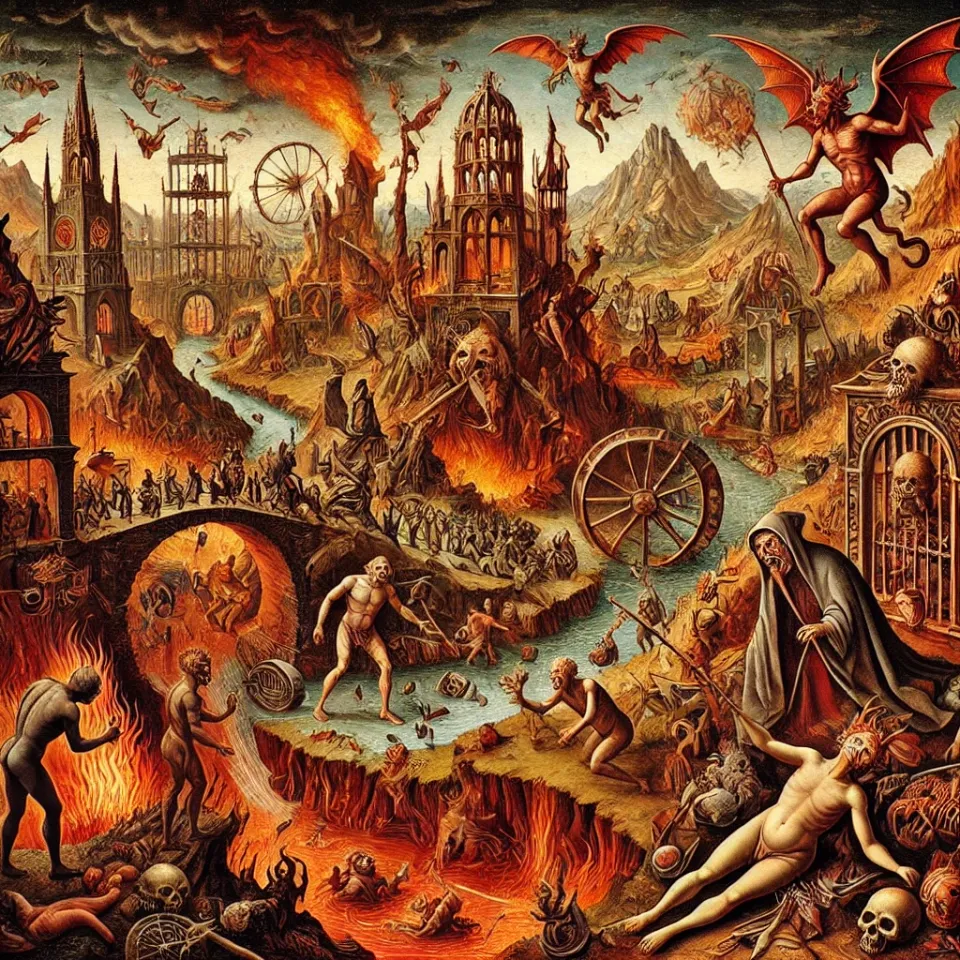
Sheol wasn’t hell. It wasn’t even punishment. The Hebrew Bible saw death as quiet and neutral. But over centuries—thanks to Greek, Persian, and apocalyptic influence—hell evolved into something far more fiery. Hades, Gehenna, and the lake of fire tell that story.
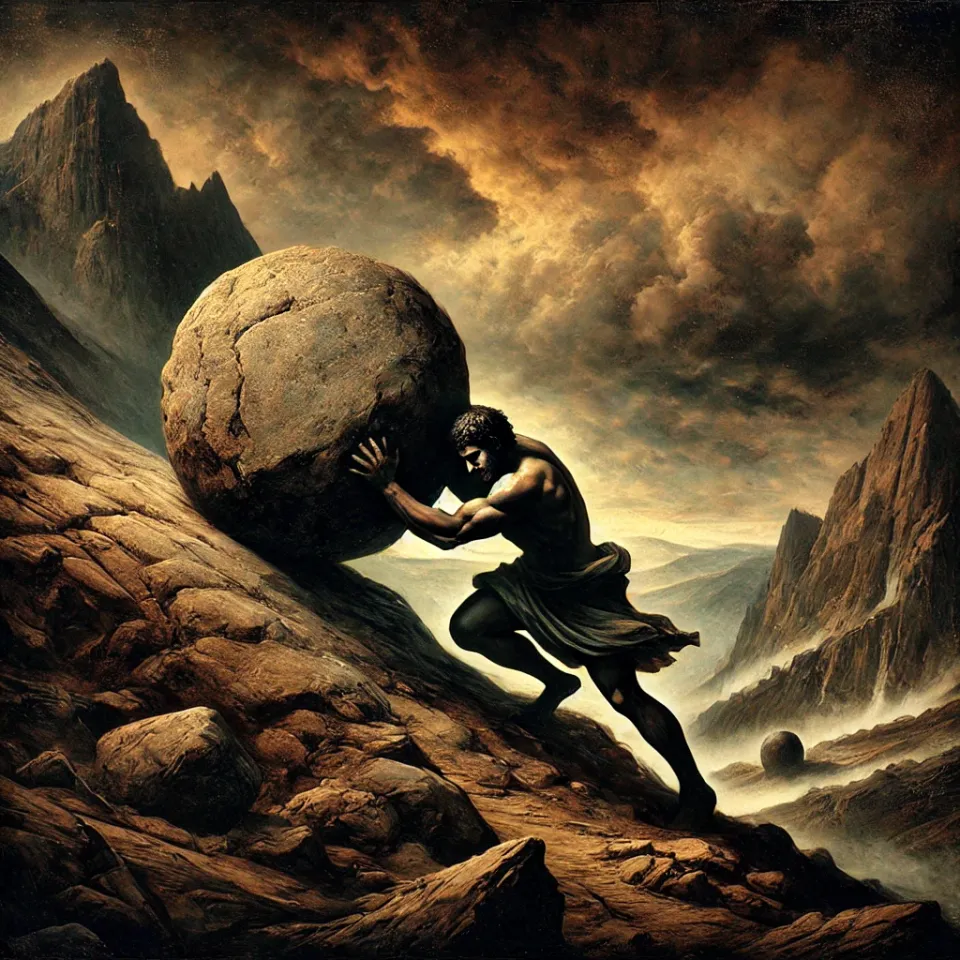
If there’s no god, is there still purpose? Yes—but you have to make it. Camus called it rebellion: living fully in a universe that offers no meaning. Like Sisyphus or a dying Viking with his sword, meaning is found not in destiny—but in defiance.
Atheism isn’t an organization—it’s a lack of belief. You can’t ban people from not believing in something. And trying to force religion into law threatens everyone, believers included. Jefferson’s “wall of separation” wasn’t atheist propaganda—it was protection for faith.
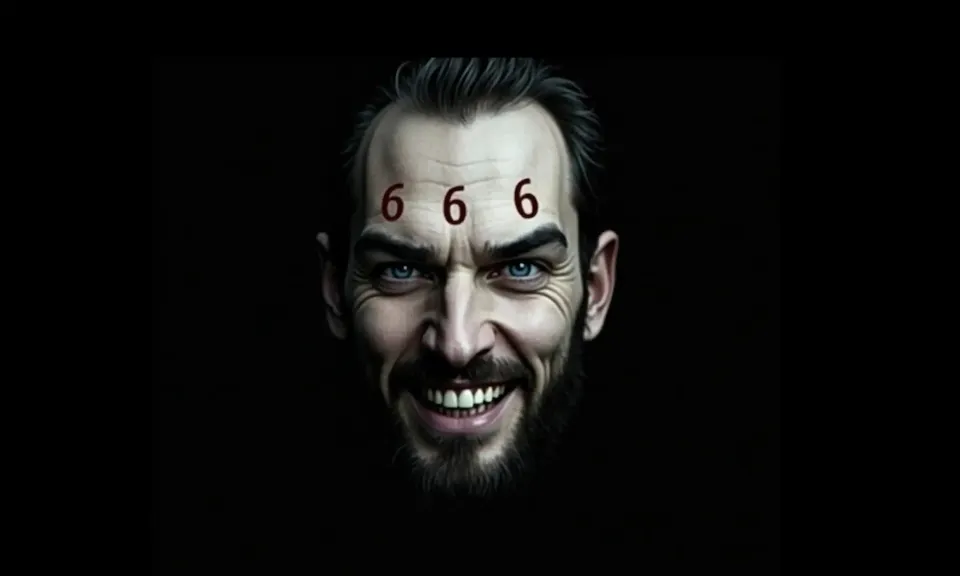
The Antichrist isn’t in Revelation; Nero is. Here’s how first‑century Christians used 666 and 616 to identify Rome’s tyrant—and why the Beast isn’t a modern prophecy