Padre Pio's Stigmata Debunked
A clear, skeptical walkthrough of Padre Pio’s stigmata and other claims—what sources actually say, how the stories spread, and where the record is solid versus blurry.
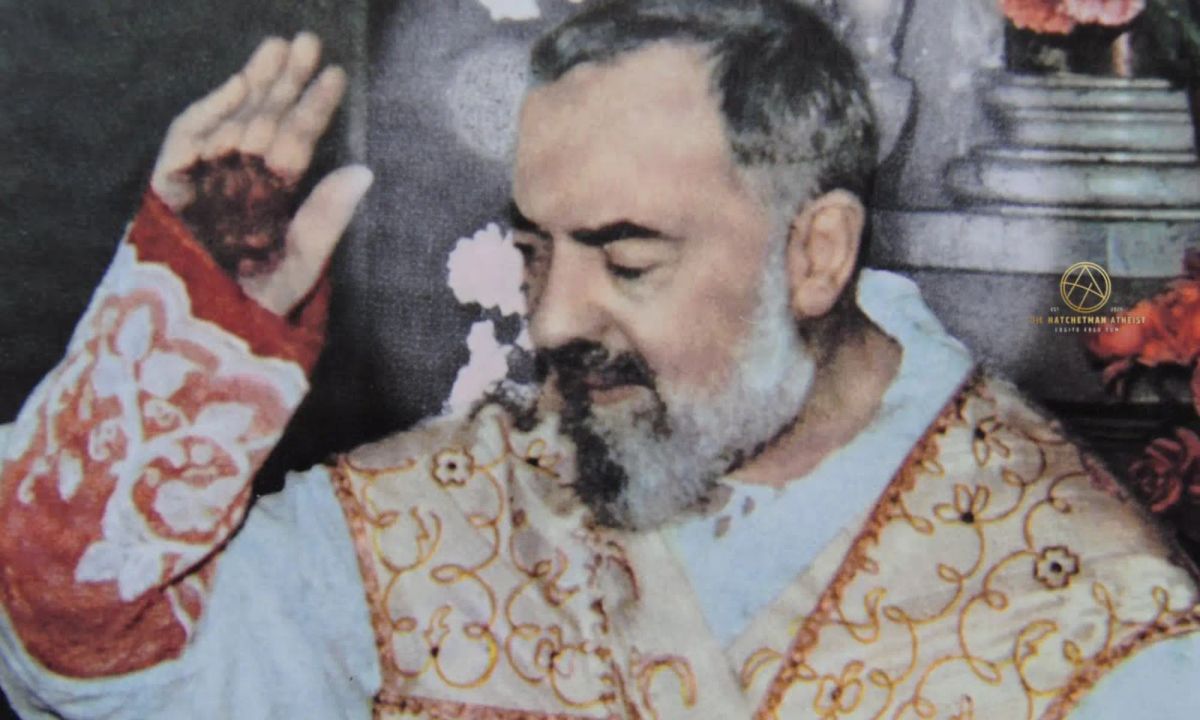
Bleeding for a Blessing? A Closer Look at Padre Pio’s Stigmata
In the pantheon of 20th-century Catholic mystics, few figures loom as large as Padre Pio. Born Francesco Forgione in 1887, this Capuchin friar rose to global fame for allegedly bearing the stigmata—the miraculous wounds of Christ. The faithful saw him as a living saint. The Church canonized him in 2002. But behind the incense and adoration lies a trail of skepticism, contradictory testimonies, and some very curious chemical evidence.
Was Padre Pio a divine vessel—or a devout deceiver?
Let’s take a scalpel to the story.
The Wounds That Wouldn't Heal
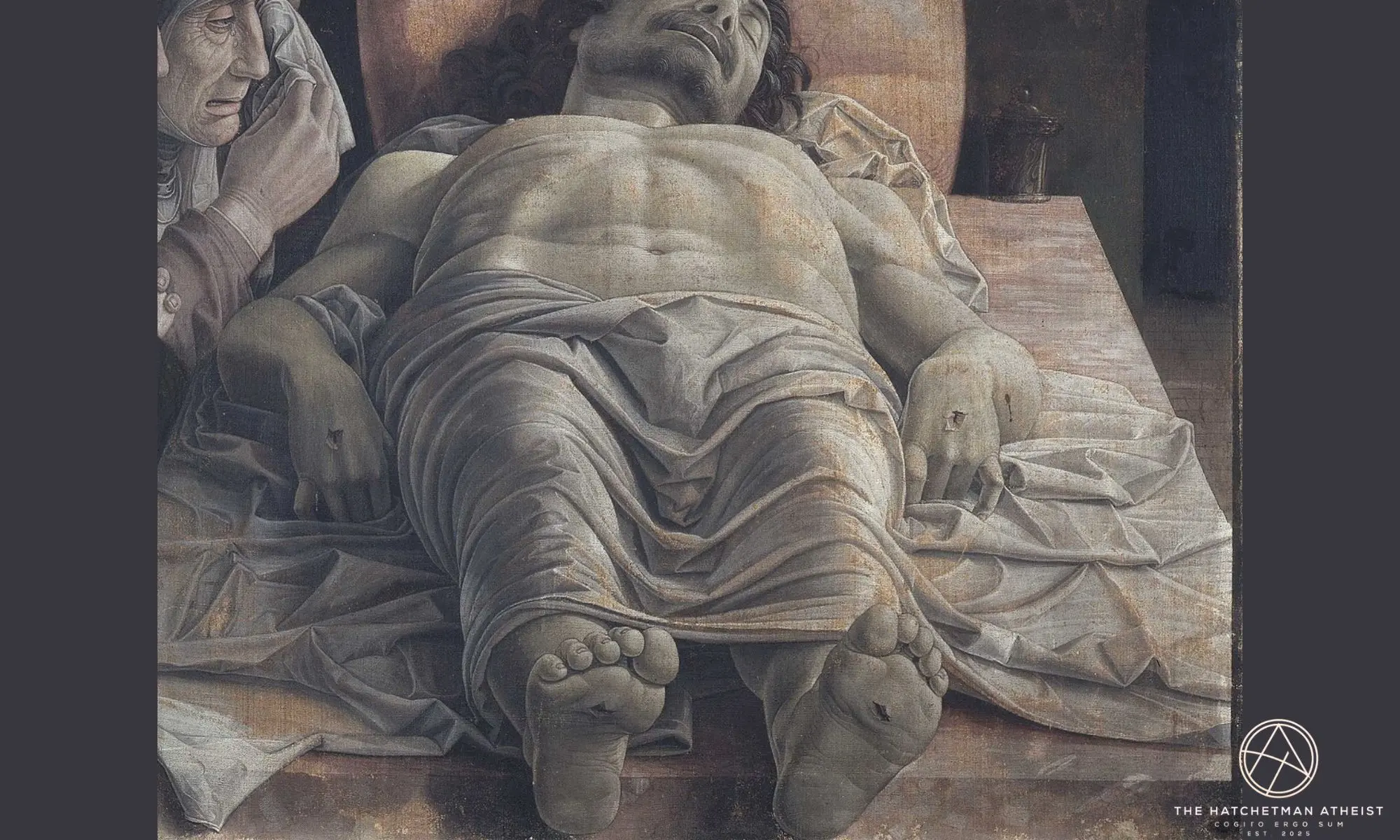
According to hagiographies, the stigmata first appeared in 1918 while Pio was praying before a crucifix. Blood seeped from his hands, feet, and side, mimicking the wounds of Christ. These injuries persisted for decades, reportedly never becoming infected, never healing, and never emitting foul odors.
Miraculous? Perhaps. But not unprecedented.
Dozens of Catholic mystics have claimed similar wounds, especially after the 13th century when St. Francis of Assisi became the first reported stigmatic. What sets Pio apart is the sheer scale of attention—and the intense pushback from within his own Church.
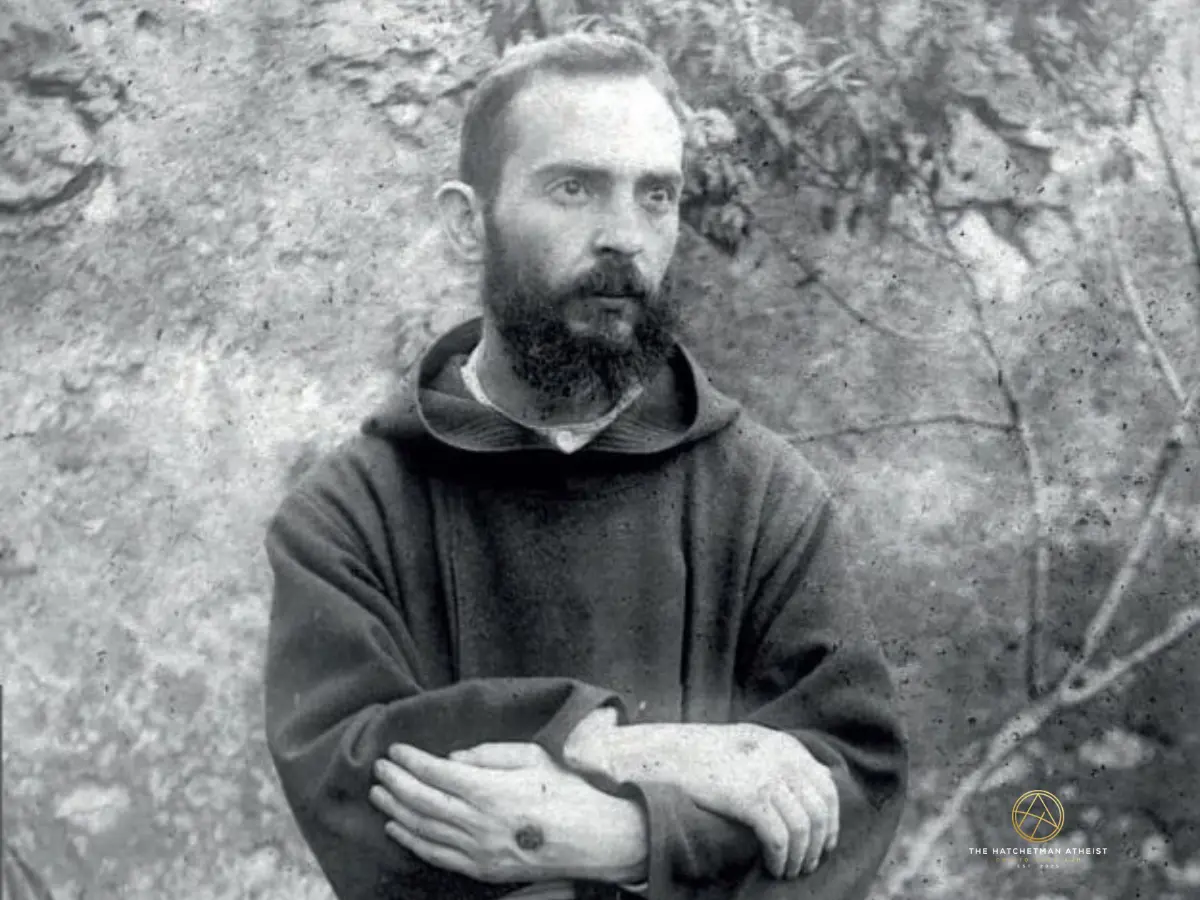
The Vatican’s War on a "Straw Idol"
Not everyone within the Church was moved by the scent of violets. In fact, for the better part of the 20th century, the Vatican’s own investigators were his harshest critics. Between 1920 and 1931, the Holy Office dispatched a series of medical and theological experts to San Giovanni Rotondo. Their verdicts were devastating.
Amico Bignami, a professor of pathology, was one of the first to examine the wounds. His conclusion was blunt: the lesions were artificially maintained using caustic substances. He specifically noted that if the irritation from the phenol were removed, the wounds would likely heal.
The skepticism went all the way to the top:
- Pope Benedict XV was so wary that he initially ordered Pio to be moved to a remote friary to stop the cult-like hysteria.
- Pope John XXIII was even more explicit. In his private diaries, he referred to the Pio phenomenon as a vast deception and called the friar a straw idol (idolo di paglia) whose followers were motivated by commercialism and fanaticism.
The 1923 Holy Office decree was the Church's official attempt to kill the miracle: “The Supreme Sacred Congregation declares that no supernatural character can be attributed to the facts relative to the stigmata of Padre Pio.”
So why was he canonized? The answer is simple: Politics. After World War II, Pio’s popularity became a massive financial and social engine for the Church in Italy. To suppress him was to risk a schism with millions of devotees. The Vatican didn't find new evidence of a miracle; they simply found it more profitable to stop fighting the idol.
The Secret Pharmacy: 100 Grams of Proof
The most significant red flag in the Padre Pio narrative is not medical, but procurement-based. In 1919, a local pharmacist named Maria De Vito—a cousin of the local priest—testified under oath to a secret request made by the friar.
According to her testimony (later uncovered in the Vatican archives by historian Sergio Luzzatto), Pio asked her to secretly purchase 100 grams of carbolic acid (phenol) and four grams of veratrine. His instructions were explicit: the transaction had to remain strictly confidential.
The defense usually claims he needed the acid for "sterilizing needles." However, the evidence suggests a different utility:
- The Burns: Phenol is a caustic, corrosive agent. When applied to the skin, it produces white, superficial burns that—if re-applied intermittently—prevent scabbing and keep a wound "fresh" without triggering a systemic infection.
- The Timing: The request for 100 grams is a massive quantity for "sterilizing needles," but precisely what a stigmatic would need to maintain lesions over a long period.
- The Witness: It wasn't just De Vito. Father Agostino Gemelli, a physician and Franciscan friar, noted that the wounds bore the telltale signs of chemical irritation rather than spontaneous rupture.
Even Cardinal Carlo Raffaele Rossi’s 1921 secret inquiry noted the suspicious nature of these chemical requests. While the Church later canonized Pio, the physical paper trail of his secret pharmacy orders was never successfully explained away—only ignored.
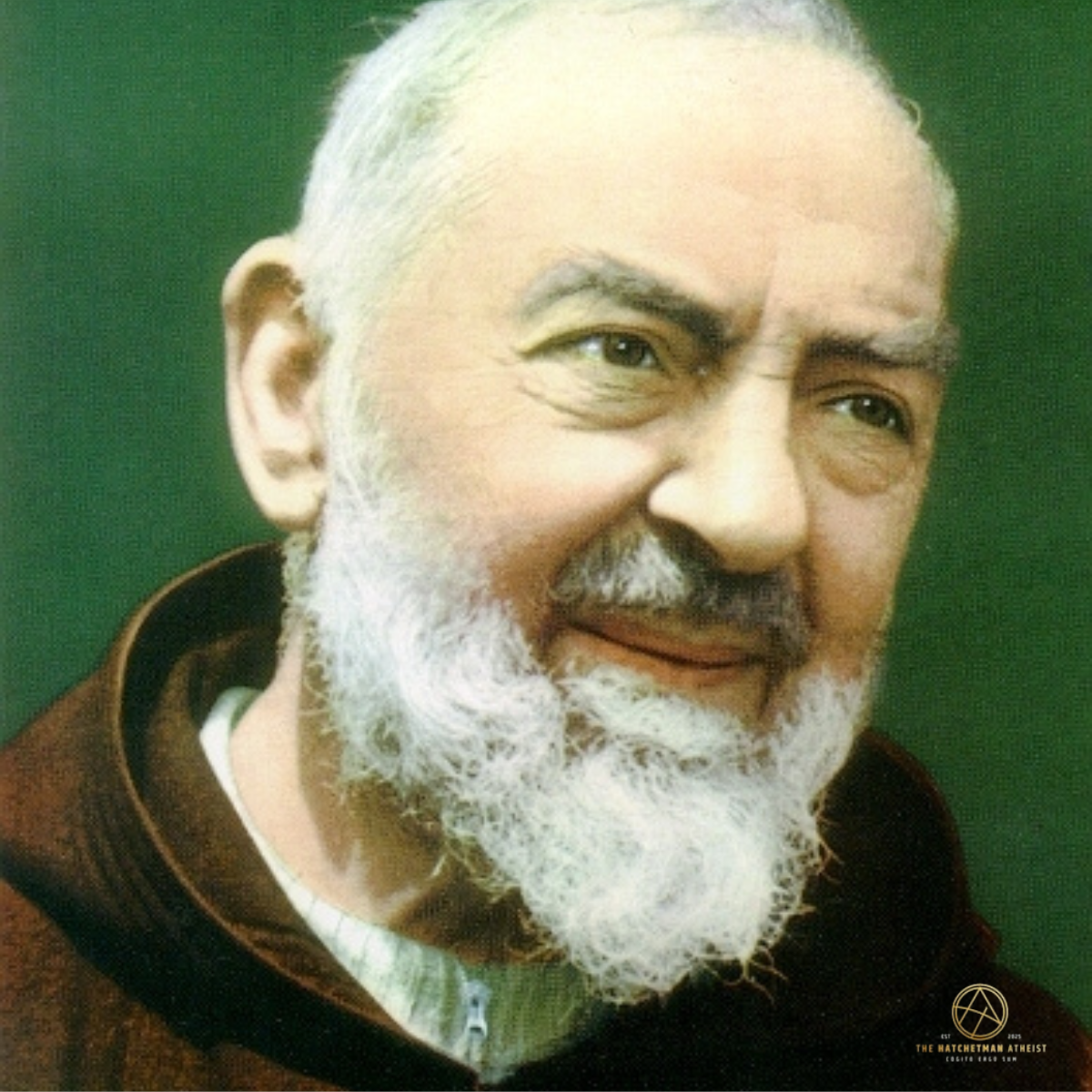
The Biological Paradox: Miracle or Antiseptic?
The most common argument for Pio’s sanctity is that his wounds stayed open and bleeding for fifty years without ever rotting. In an era before antibiotics, this is treated as a divine suspension of natural law. But when you look at the chemistry involved, the "miracle" actually explains itself.
The lack of infection isn't a mystery; it’s a side effect. Phenol is a brutal, effective antiseptic. By applying it to his skin, Pio wasn't just maintaining the wounds—illegally or otherwise—he was sterilizing them. He was essentially pickling the tissue.
Medical examiners at the time noticed several details that were highly inconvenient for the miracle narrative:
- Symmetry and Precision: Dr. Giuseppe Sala found the wounds were suspiciously uniform and superficial. Spontaneous tissue ruptures are usually messy, deep, and irregular. These looked like a controlled skin reaction.
- The "Sanctity" of Scent: Devotees claimed he smelled like violets. While the Church calls this a supernatural sign, skeptics point out that masking the harsh, medicinal smell of carbolic acid was common practice. Perfumes and chemical esters like ethyl acetate produce that exact floral scent.
- The Final Disappearance: The most telling moment came at the very end. As Pio’s health failed and he was placed under 24-hour supervision by the Church, the wounds finally began to close. By the time he died in 1968, they were gone. His skin was reportedly as smooth as a child's.
If those wounds were divine marks of the crucifixion, their sudden departure is a theological puzzle. But if they were the result of fifty years of chemical maintenance that was finally stopped, their disappearance is exactly what biology predicts. The "miraculous" lack of decay wasn't a sign from God; it was a textbook result of industrial disinfectant.
Witnesses in the Dark
Supporters point to testimonials from those close to Pio. Some friars claimed to have seen him levitate or bilocate. Visitors described the scent of violets in his presence. Many insisted the stigmata were genuine.
But eyewitness testimony is unreliable—especially in religious settings charged with expectation and reverence. And when the Church finally permitted partial medical examinations, they were constrained by Pio’s modesty and the reverence of his handlers.
We have no independent, full clinical report from a neutral examiner.
What we do have are contradictions, cautious medical notes, and heavy Vatican editing.
Final Thoughts
Padre Pio’s life was marked by illness, visions, and intense bouts of spiritual drama. From an early age, he suffered mysterious ailments that defied diagnosis, often retreating into trances that his fellow friars sometimes mistook for signs of holiness. But spiritual rapture and psychological instability can look uncomfortably similar.
Meanwhile, the physical evidence raises its own set of questions—sharp ones. Phenol doesn’t appear on the skin by accident. Doctors and Church investigators alike reported wounds that were suspiciously clean, symmetrical, and unnaturally persistent. They didn’t scab, they didn’t heal, and they bore the telltale signs of chemical maintenance.
Yes, the Church canonized him. But canonization is a political process, not a scientific one. The Church had every reason to protect its mystique—and no obligation to satisfy skeptical inquiry.
But we do.
The Church may prefer ambiguity. I don’t. Given the red flags, I see not divine suffering, but deliberate fabrication.
If you find this work valuable and want to support future research and writing, including research and web-hosting costs, you can do so on patreon.
Works Cited
Bruschi, Arnaldo. Padre Pio: Miracles and Politics in a Secular Age. Rome: Lateran University Press, 2004.
Cavallaro, Maria. “The Medical Controversy Surrounding Padre Pio’s Stigmata.” Journal of Religious Studies, vol. 45, no. 2, 2010, pp. 211–228.
Festa, Giorgio. The Truth About Padre Pio’s Stigmata. Translated by Lucia Manetti, Edizioni San Michele, 1938.
Gemelli, Agostino. “Relazione Medica sul Caso di Padre Pio.” Vatican Secret Archives, 1920.
Luzzatto, Sergio. Padre Pio: Miracles and Politics in a Secular Age. Translated by Frederika Randall, Metropolitan Books, 2010.
Rossi, Carlo Raffaele. Secret Vatican Report on Padre Pio, 1921. Vatican Archives.
Sala, Giuseppe. “Osservazioni Cliniche sulle Piaghe di Padre Pio.” Archivio Medico Italiano, vol. 17, no. 4, 1923.